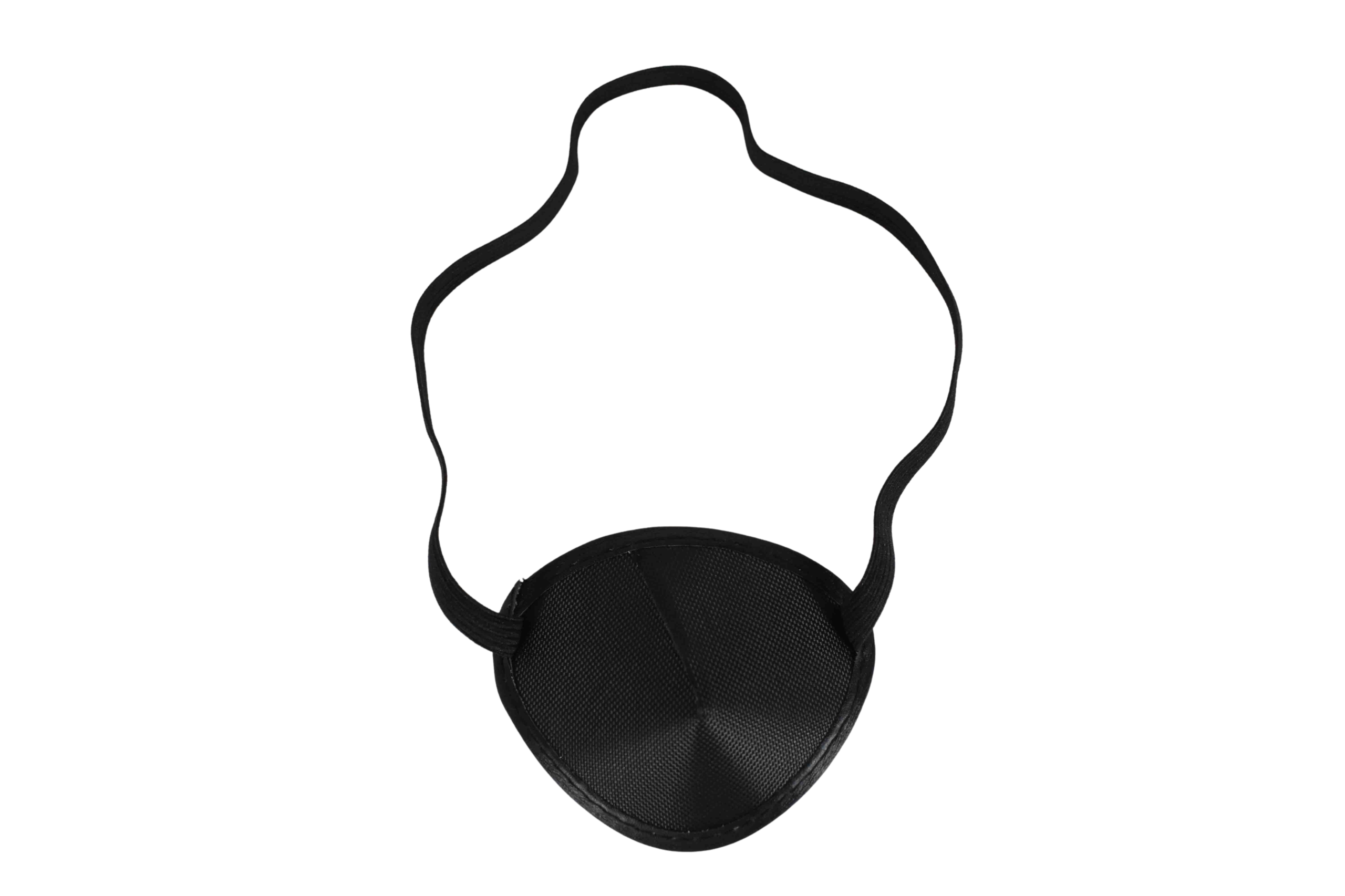
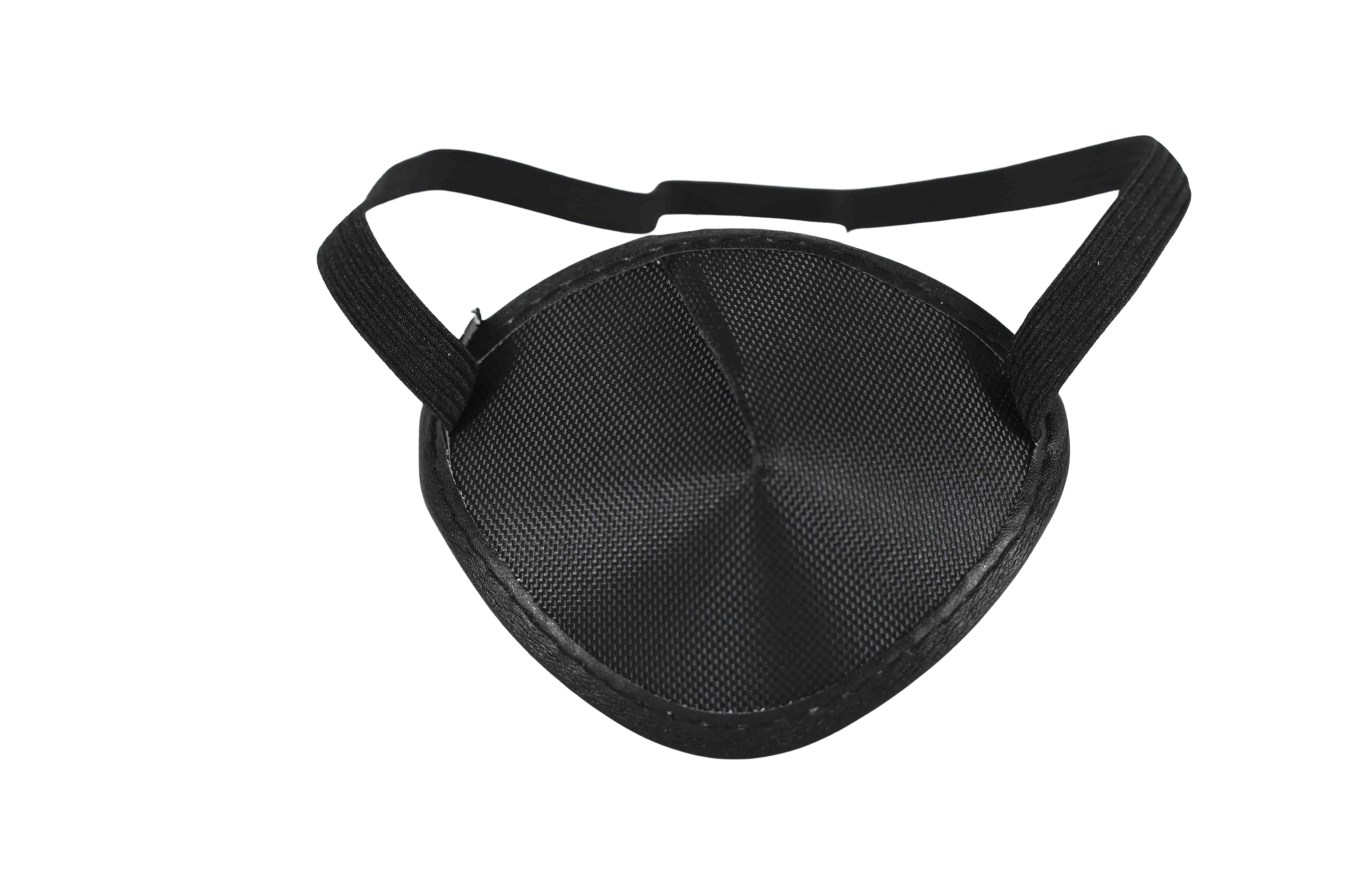
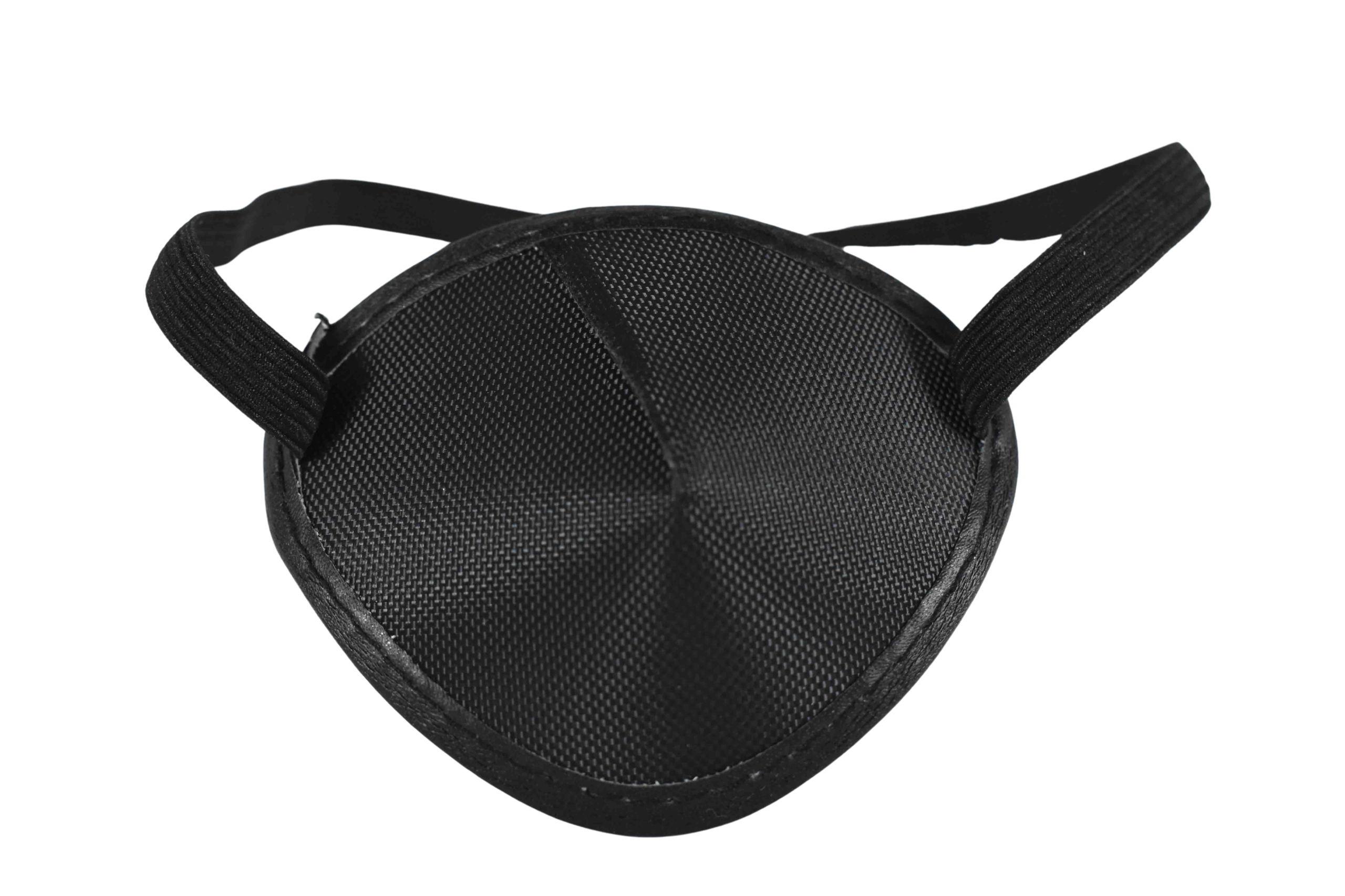
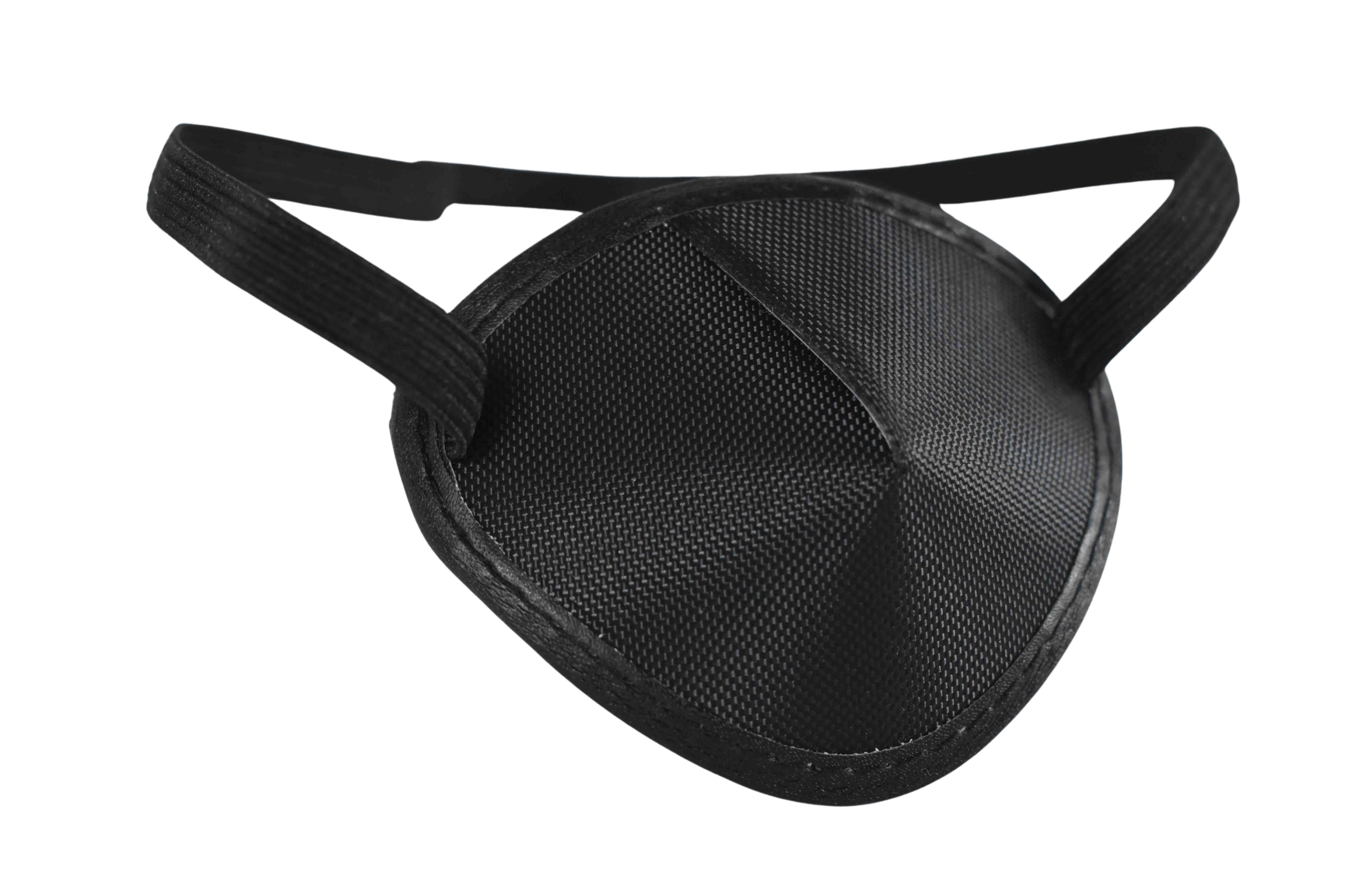
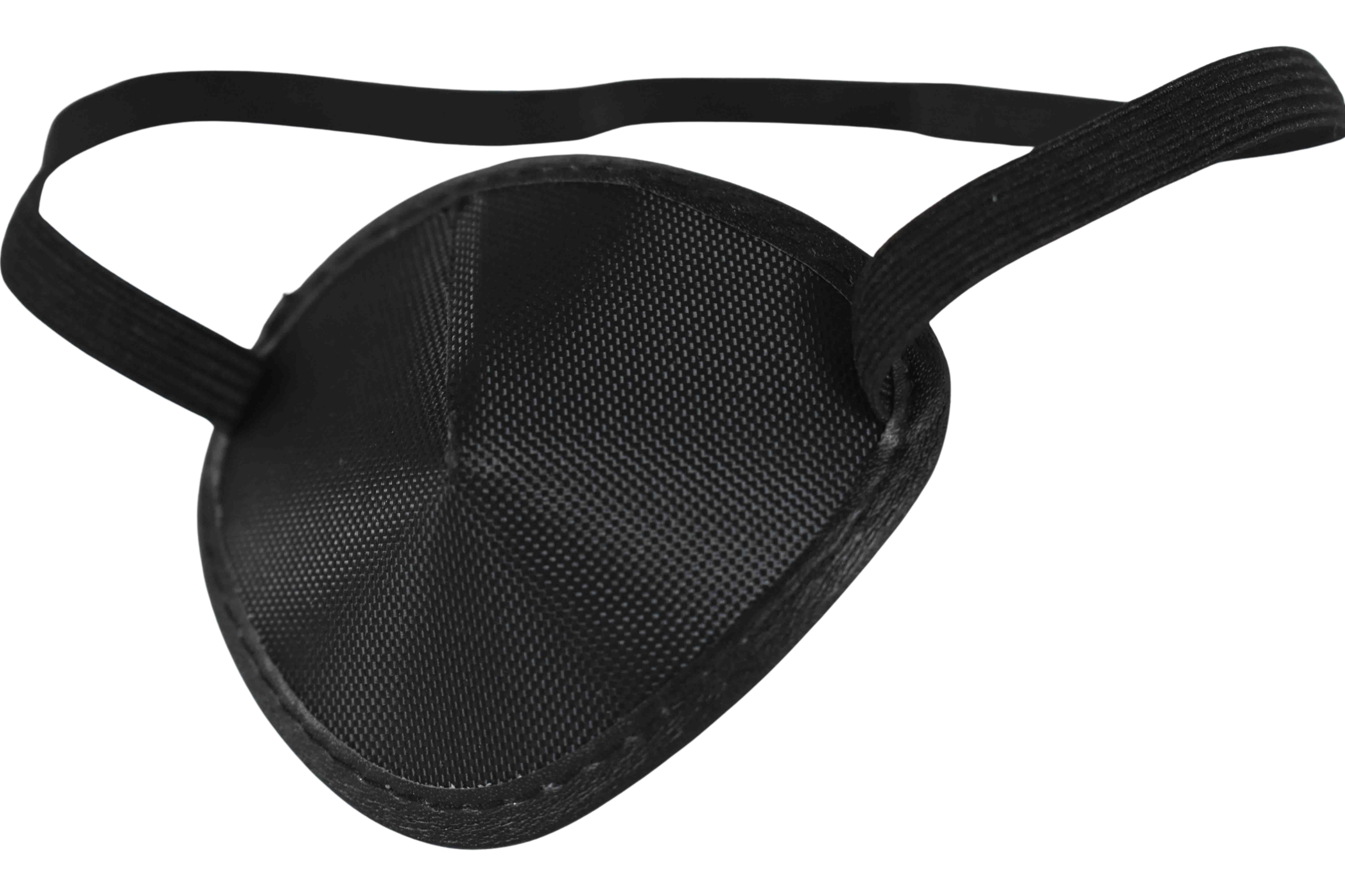
Black Eye Patches
The Black Eye Patches provide total, light-blocking occlusion for cover/alternate-cover testing, amblyopia therapy, and suppression checks. Their opaque, non-glare finish and comfortable, secure fit make them reliable for both clinic use and supervised home programs.
Product Code: JVBEP
The Black Eye Patches provide total, light-blocking occlusion for precise monocular work—ideal when you need zero light leak for cover/alternate-cover testing, amblyopia (patching) therapy, suppression checks, and controlled monocular near tasks. The opaque, non-glare finish prevents peeking and reflections, while the comfortable, skin-friendly fit makes them dependable in busy clinics and for supervised home programs.
What they do: Deliver complete occlusion to isolate one eye for accurate testing and therapy
Primary uses: Cover tests, amblyopia patching, suppression evaluation, monocular fixation/reading drills
Why they’re reliable: Opaque, matte surface minimizes light leak and glare; consistent results across sessions
Comfort & fit: Soft, skin-friendly backing; shaped for a secure seal with or without spectacles
Best practices: Follow clinician-prescribed wear schedule; monitor comfort and avoid peeking; log task time/symptoms
Who they suit: Children and adults in clinic blocks and home VT under professional guidance
Care: Apply to clean, dry skin; replace adhesives as needed; store flat and avoid heat/solvents to preserve the patch surface
| Sr No | Topic | Description |
|---|---|---|
| 1 | Purpose | The Black Eye Patch is used in occlusion therapy to cover the dominant or stronger eye, encouraging the weaker eye to function independently. This therapy helps improve visual acuity and visual development in conditions such as amblyopia (lazy eye), strabismus, suppression, and anisometropia. |
| 2 | Target Users | Primarily prescribed for children undergoing amblyopia treatment, although it may also be used in certain adult therapy cases under professional supervision. The patches are typically recommended by optometrists, ophthalmologists, orthoptists, and vision therapists as part of structured occlusion therapy programs. |
| 3 | Optotypes / Symbols | The eye patch itself does not contain optotypes or visual symbols. It simply blocks vision in the stronger eye. Visual stimulation activities such as reading, drawing, puzzles, or vision therapy charts are performed while the patch is worn to stimulate the weaker eye. |
| 4 | Scaling / Spacing | Not applicable. The patch does not define symbol size or spacing. Visual tasks performed during therapy determine the visual demand placed on the amblyopic eye. |
| 5 | Size | The patch is designed to fully cover the eye area, extending beyond the eyelids to prevent light leakage and ensure complete occlusion. Different sizes may be available to fit children or adults comfortably. |
| 6 | Testing Distance | Eye patches can be used during near or distance visual activities, depending on therapy instructions. Many therapy programs emphasize near tasks such as reading, coloring, or visual exercises while the patch is worn to stimulate the weaker eye. |
| 7 | Dimensions | Exact dimensions vary by manufacturer, but patches are designed to fit comfortably around the eye socket and under eyeglasses if needed, ensuring full coverage and preventing peeking. |
| 8 | Mounting | Eye patches may be adhesive patches applied directly to the skin around the eye, or clip-on/elastic patches attached to eyeglasses, depending on the product type. Adhesive patches are commonly preferred in clinical therapy to prevent peeking. |
| 9 | Included Accessories / Extras | Eye patches are typically supplied in multi-piece packs (for example, boxes containing multiple disposable patches). Some products feature child-friendly colors or designs to improve compliance in pediatric patients. |
| 10 | Durability / Material Qualities | High-quality eye patches are made from soft, breathable, hypoallergenic materials that are gentle on the skin. Many are latex-free with comfortable adhesive backing, allowing secure placement while minimizing skin irritation during extended wear. |
| 11 | Usability / Marker of Quality | Quality eye patches provide secure adhesion, comfortable fit, and full occlusion without allowing light leakage or peeking. Important quality indicators include skin-friendly materials, breathable backing, and strong yet gentle adhesive, ensuring patient comfort and effective occlusion therapy. |
Related products
-
Flipper, Vision Therapy
Vergence Facility Prism Flipper 12D BO 3D BI
The Vergence Facility Prism Flipper (12Δ / 3Δ) is a two-sided yoked prism flipper that alternates base-out (12Δ total) and base-in (3Δ total) demands to train and measure vergence facility efficiently. Use it with a near target to run timed BO↔BI cycles and record cycles per minute (CPM) for quick baseline, progress checks, and home-program carryover.
Product Code: JVPF312
SKU: JVPF312 -
Accomodation, Vision Therapy
Convergence 3 Dot Card
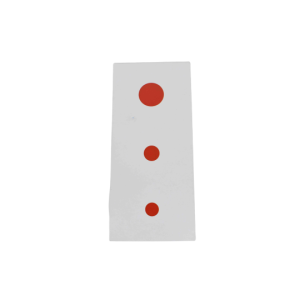
The Convergence 3-Dot is a simple near target with three aligned dots used to train convergence and basic anti-suppression—the patient brings the two outer dots into a single central target. It’s ideal for short, repeatable drills at variable distances to build vergence range, recovery, and stability in clinic or supervised home programs.
Product Code: JVC3D
SKU: JVC3D -
Accomodation, Vision Therapy
Z-Axis Accommodative Rock Chart Paper Distance Chart
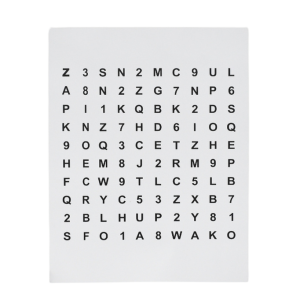
The Hart Chart – Distance is a wall-mounted grid of letters used to train distance fixation, accommodative facility (with a near chart), and saccadic accuracy. Patients read rows/columns or alternate distance↔near to build speed, endurance, and clarity for real-world tasks like classroom board work and sports.
Product Code: JVRCPD
SKU: JVRCPD