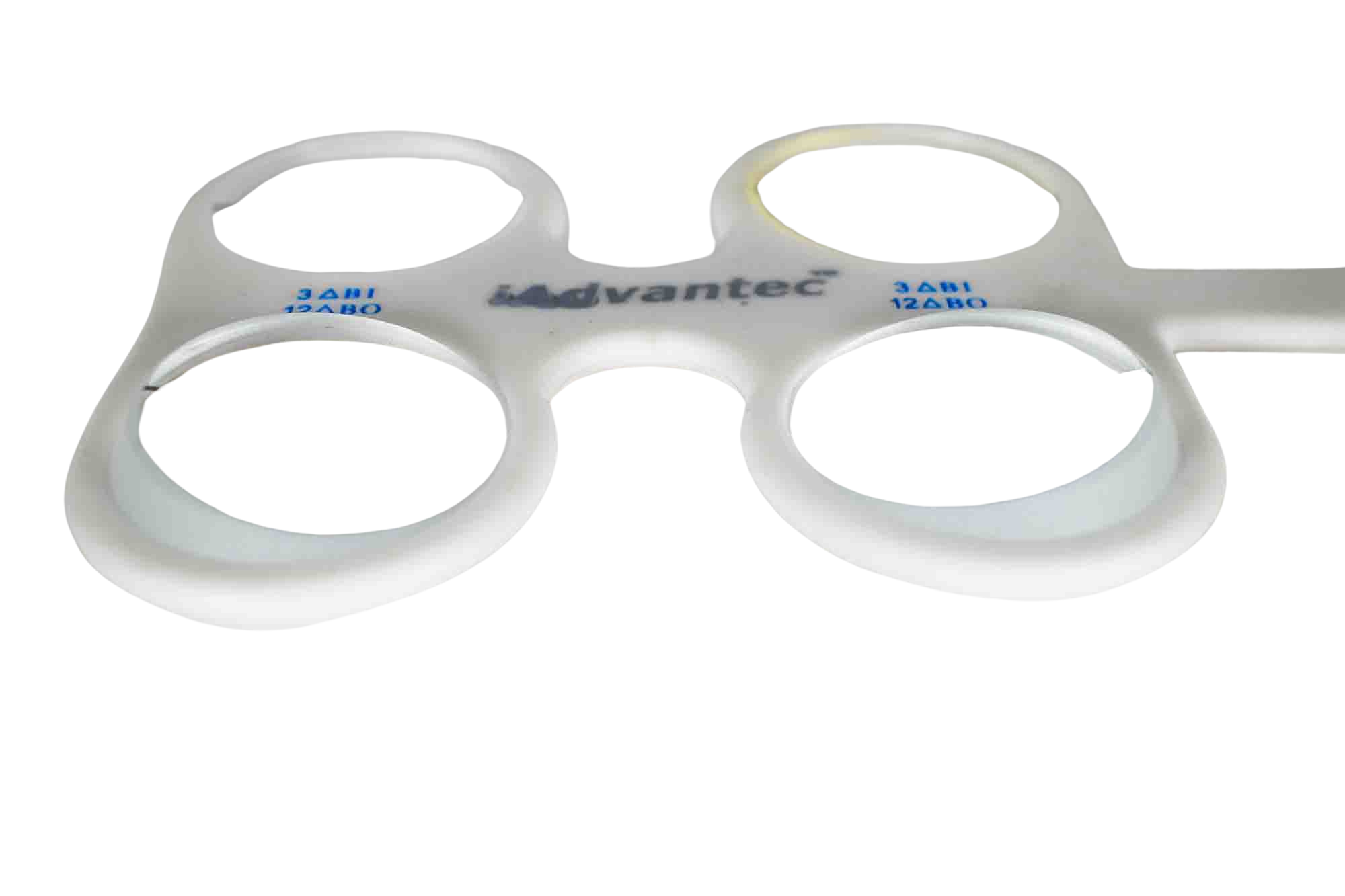
Vergence Facility Prism Flipper 12D BO 3D BI
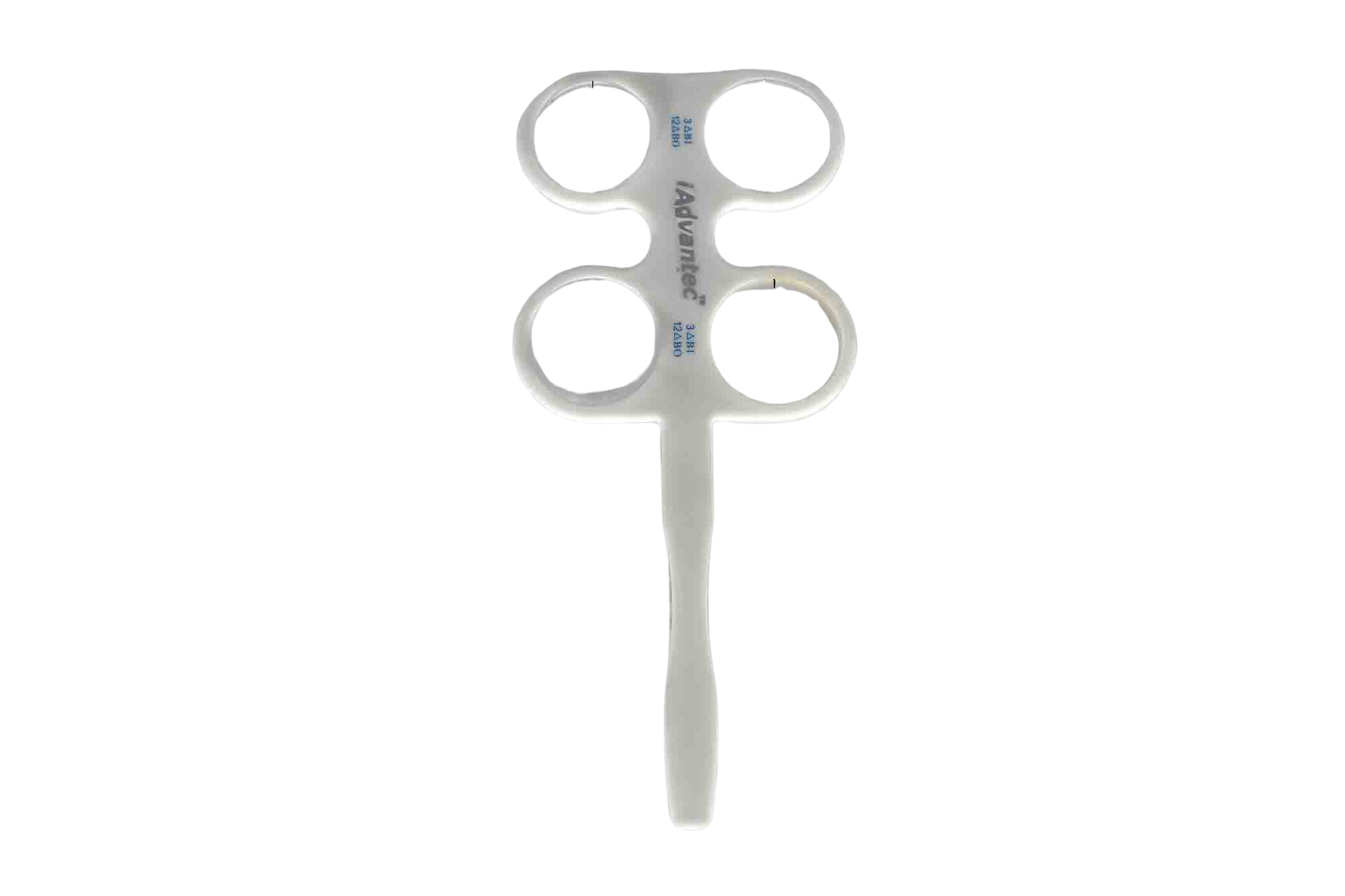
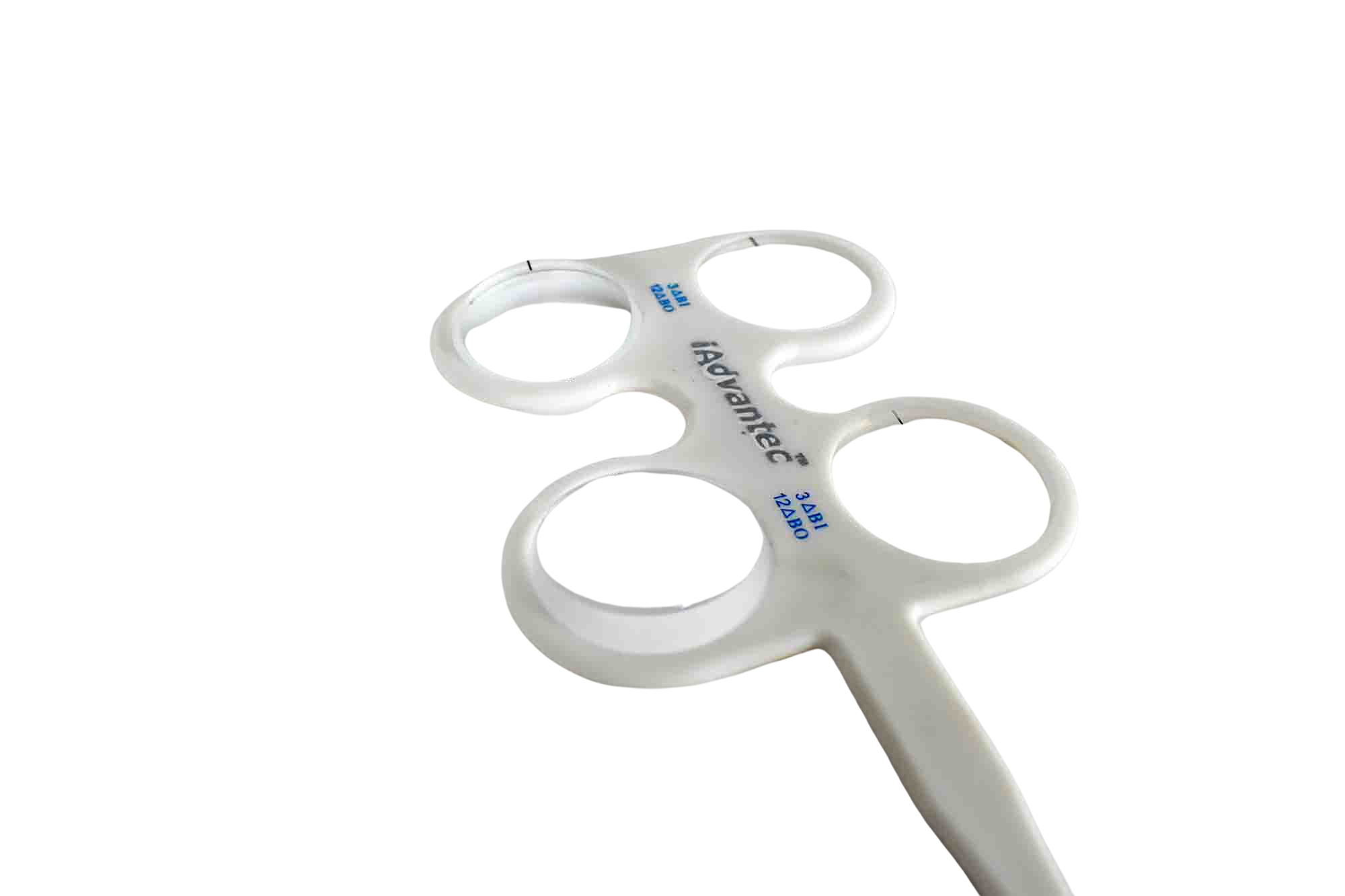
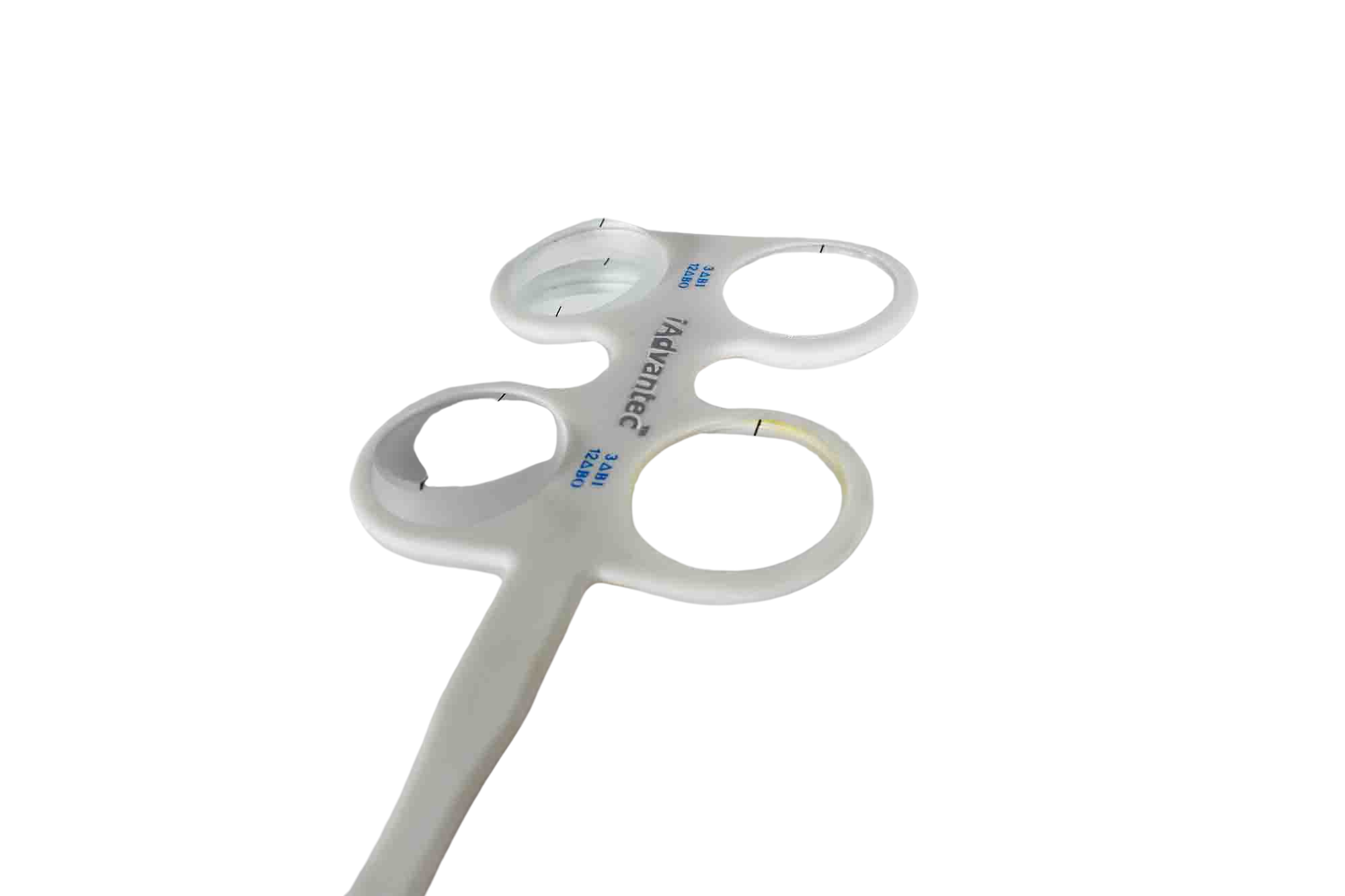
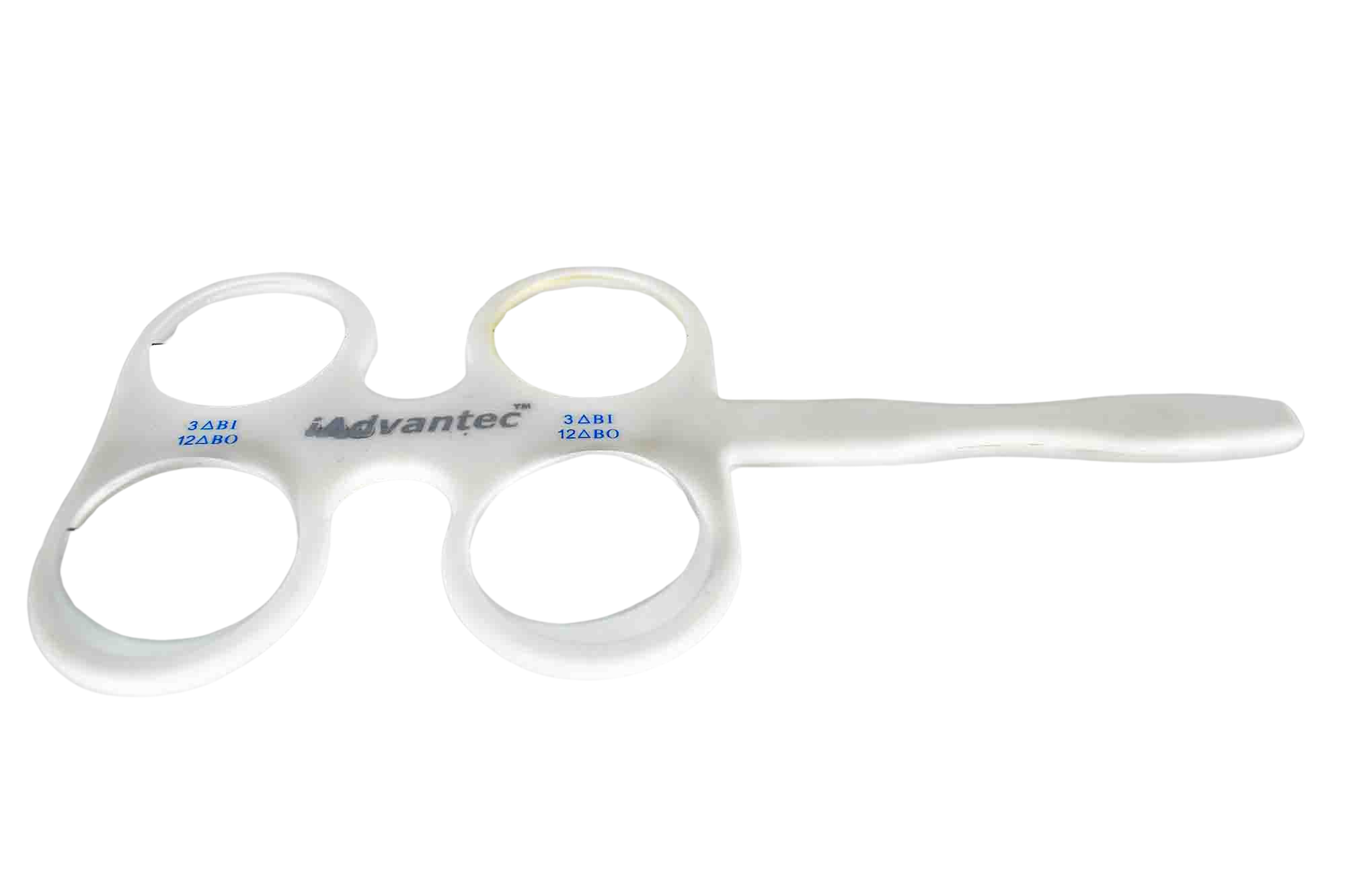
The Vergence Facility Prism Flipper (12Δ / 3Δ) is a two-sided yoked prism flipper that alternates base-out (12Δ total) and base-in (3Δ total) demands to train and measure vergence facility efficiently. Use it with a near target to run timed BO↔BI cycles and record cycles per minute (CPM) for quick baseline, progress checks, and home-program carryover.
Product Code: JVPF312
The Vergence Facility Prism Flipper (12Δ & 3Δ) is a two-sided, yoked-prism trainer for fast, objective vergence facility work. One side delivers base-out demand for convergence (12Δ total = 6Δ BO per eye), and the other delivers base-in demand for divergence (3Δ total = 1.5Δ BI per eye), letting you flip BO↔BI over a near target, time the responses, and record cycles per minute (CPM) for baseline and progress tracking in clinic or supervised home programs.
What it builds: Convergence, divergence, and vergence facility with repeatable step changes
How it’s set up: 6Δ BO yoked pair ↔ 1.5Δ BI yoked pair (binocular totals 12Δ BO / 3Δ BI)
Use at a glance: Seat at ~40 cm with a line/letter target → flip BO↔BI → patient regains single, clear vision each time → count CPM
Clinical value: Quick screening and progress checks; integrates easily with Brock string, RG bar reader, fixation sticks
Why it’s reliable: Yoked prisms keep alignment symmetric and reduce image-jump artifacts; easy to standardize between visits
Best practices: Coach break/recovery, keep target size/contrast and lighting consistent, and log CPM + symptoms (effort, blur, diplopia)
Who it suits: Children through adults in optometry/orthoptics clinics and home VT under clinician guidance
Build & care: Lightweight flipper handle; clean prisms with lens-safe solution; store in a protective pouch to avoid scratches
| Sr No | Topic | Description |
|---|---|---|
| 1 | Category | Vision Therapy / Binocular Vision Testing Tool |
| 2 | Purpose | The Vergence Facility Prism Flipper (12Δ Base-Out / 3Δ Base-In) is used to evaluate and train vergence facility, which is the ability of the eyes to rapidly alternate between convergence and divergence while maintaining clear single binocular vision. It is commonly used in binocular vision assessment and vision therapy programs to identify or manage vergence dysfunctions. |
| 3 | Target Users | Used by optometrists, ophthalmologists, orthoptists, and vision therapists for patients experiencing binocular vision anomalies such as convergence insufficiency, divergence weakness, heterophoria, or visual fatigue during near work. Suitable for both children and adults undergoing binocular vision evaluation or therapy. |
| 4 | Optotypes / Symbols | The prism flipper does not contain optotypes or visual symbols. It is used together with a near fixation target such as a column of letters, symbols, or a near acuity chart that the patient views while prism demands are alternated. |
| 5 | Scaling / Spacing | The scaling and spacing of visual targets depend on the near vision chart or fixation target used during testing. The flipper itself simply introduces alternating prism demands to stimulate convergence and divergence responses. |
| 6 | Range of Acuity / Line Sizes | The flipper does not define visual acuity ranges. Testing is typically performed using a near target equivalent to approximately 20/30 acuity, ensuring the patient can clearly see the target so that vergence facility—not blur—limits performance. |
| 7 | Testing Distance | Vergence facility testing with the 12Δ BO / 3Δ BI prism flipper is usually conducted at near distance of approximately 40 cm (16 inches). The patient views the fixation target while the examiner alternates the prism orientation. |
| 8 | Physical Size & Dimensions | Typical prism lens size is approximately 38 mm (1.5 inches) in height, mounted in a handheld flipper frame designed for easy flipping during therapy or testing sessions. |
| 9 | Mounting / Design | The prism flipper is handheld and allows quick alternating between the 12Δ Base-Out prism and the 3Δ Base-In prism. Some models may be available in mounted, loose prism, or magnetic holder configurations depending on the manufacturer. |
| 10 | Display Features | The device itself has no display or chart. Prism plates are typically labeled with base direction markings (BO and BI) to ensure correct orientation during vergence facility testing. |
| 11 | Included Accessories | Typically supplied as one prism flipper unit. Some versions may include protective storage case, instructions for use, or optional mounting accessories depending on the supplier. |
| 12 | Durability / Material Qualities | High-quality prism flippers are made using optical-grade acrylic or glass prisms mounted in a durable plastic or metal handle. The prisms are polished for optical clarity and securely fitted to withstand repeated flipping during therapy sessions. |
| 13 | Usability / Marker of Quality | Quality flippers feature accurate prism calibration, clearly labeled base directions, distortion-free optics, smooth flipping mechanism, and durable construction. Reliable manufacturers ensure consistent prism values and comfortable handling for clinical use. |
Related products
-
Accomodation, Vision Therapy
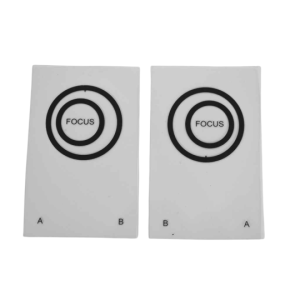
Eccentric Circles Black (1 pair – clear)
The Clear Eccentric Circles – Black (1 Pair) are transparent free-fusion cards used to train vergence (convergence/divergence), stereo awareness, and anti-suppression without special glasses. Patients fuse the overlapping black concentric circles—and can move or rotate the pair to build range, facility, and even gentle cyclofusion control.
Product Code: JVECBC
SKU: JVECBC -
Eye Patches, Vision Therapy
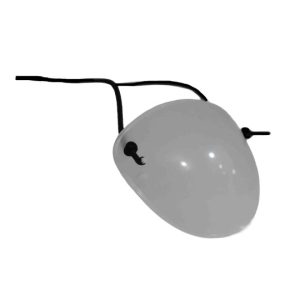
Frosted Eye Patch
The Frosted Eye Patches diffuse light rather than fully blacking it out, gently fogging/dissociating the covered eye to support anti-suppression, binocular balance, and amblyopia/occlusion therapy. Comfortable and easy to use in clinic or at home, they’re great for cover testing, near tasks, and training where soft occlusion is preferred over total blackout.
Product Code: JVFEP
SKU: JVFEP -
Anti-Suppression, Vision Therapy
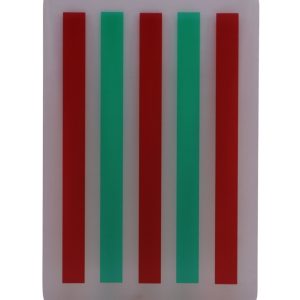
Red and Green Reading Bar Small
The Red & Green Reading Bar (Small) is an anaglyph reading aid used with red-green glasses to train anti-suppression and balanced binocular viewing during near reading tasks. Its compact size makes it easy to use at home or in clinic to build comfortable single vision, improve reading stability, and quickly spot any color drop-out (suppression).
Product Code: JVRGBRS
SKU: JVRGBRS -
Eye Patches, Vision Therapy
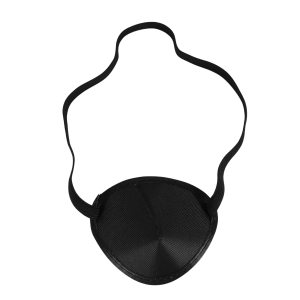
Black Eye Patches
The Black Eye Patches provide total, light-blocking occlusion for cover/alternate-cover testing, amblyopia therapy, and suppression checks. Their opaque, non-glare finish and comfortable, secure fit make them reliable for both clinic use and supervised home programs.
Product Code: JVBEP
SKU: JVBEP